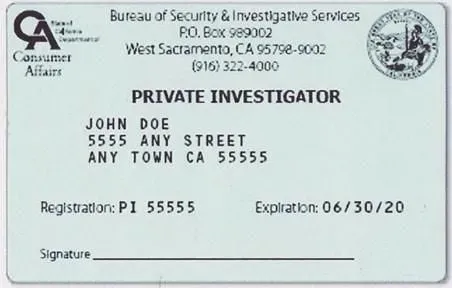
PRIVATE INVESTIGATOR LEGISLATION — New Bills Target PI Practices in 2026
By Edj Monesit
California AB 2049 would restrict BB device use by PIs and security personnel without training (hearing March 20). South Carolina H.3269 proposes attorney-like confidentiality obligations for PIs. Oregon's DPSST is actively enforcing moral fitness standards for PI license renewals.
By Michael Reid, Lead Editor at Process Server Daily / CEO of 123 Legal Inc.
March 9 , 2026
The private investigation industry is facing a new wave of regulatory attention in 2026. From California to South Carolina to Oregon, state legislatures and licensing boards are proposing changes that could reshape how PIs operate, what they can carry, and what they are required to keep confidential.
In California, Assembly Bill 2049 was introduced in February 2026 and would prohibit any person employed by a private security or private investigation licensee from carrying or using a specified BB device unless they have completed prescribed training. The bill expands the scope of crimes under the Private Security Services Act, making a violation a misdemeanor. AB 2049 may be heard in committee as early as March 20, 2026. While it might seem narrow, it reflects a broader trend of increasing regulation of what tools PIs and security professionals can use on the job.
In South Carolina, House Bill 3269 proposes something far more sweeping: attorney-like confidentiality obligations for private investigators. Under the proposed law, a PI could not reveal information relating to a client's case without informed consent, except in limited circumstances — preventing a criminal act, preventing death or substantial bodily harm, securing legal advice, or complying with a court order. The bill also prohibits PIs from knowingly representing clients with materially adverse interests, essentially creating conflict-of-interest rules that mirror those for attorneys. Violations would require the PI to reimburse all payments made by affected clients. This bill, sponsored by Representatives Rutherford and Spann-Wilder, is currently in the House Labor, Commerce and Industry Committee.
Meanwhile, Oregon's Department of Public Safety Standards and Training (DPSST) is actively enforcing moral fitness standards for PI license renewals. At a February 17, 2026 subcommittee meeting, the board reviewed the case of a PI whose renewal application was challenged based on character and fitness concerns. The proceedings demonstrate that licensing boards are not rubber-stamping renewals — they are scrutinizing applicants' backgrounds and conduct.
The broader industry outlook, according to El Dorado Insurance's 2026 analysis, highlights several additional challenges: expanding digital investigations amid tightening privacy restrictions, 20 states now enforcing comprehensive privacy laws, rising client expectations for professionalism and certifications, investigator burnout during peak periods, and the dual-edged nature of technology that is both empowering and complicating PI work.
For PIs working alongside process servers — which many do — these developments are directly relevant. Tighter regulations on tools, confidentiality, and licensing standards affect the full spectrum of legal support services.
Sources & Further Reading:
California AB 2049 (Digital Democracy Tracker)
South Carolina H.3269 — Full Bill Text
PI Industry Challenges 2026 (El Dorado Insurance)
Stay sharp. Stay informed. Live Mighty!
Read the full article at www.mightyprocessserver.com
This article is published by Process Server Daily, powered by MightyAutomation.ai, the leader in legal support intelligence.
Process Server Insights
Thank you for sharing this update. While it is encouraging to hear that no new process server assault incidents were reported this week, it also serves as a reminder of the important work we do every day and the risks many servers face while carrying out due process. The fact that only a handful of states currently provide enhanced legal protections highlights why professionalism, situational awareness, proper documentation, and community support remain so important. Every successful serve completed safely is a win for both our profession and the justice system. One thing I appreciate about this community is that we openly share experiences, safety tips, and best practices to help one another stay safe in the field. Whether it's using body cameras, conducting proper risk assessments, working with law enforcement when necessary, or simply learning from one another's experiences, we become stronger together. Let's continue advocating for safety, professionalism, and respect for process servers nationwide while supporting one another as we move this industry forward. Stay safe, stay professional, and keep serving with integrity
— NATASHA MCDANIEL